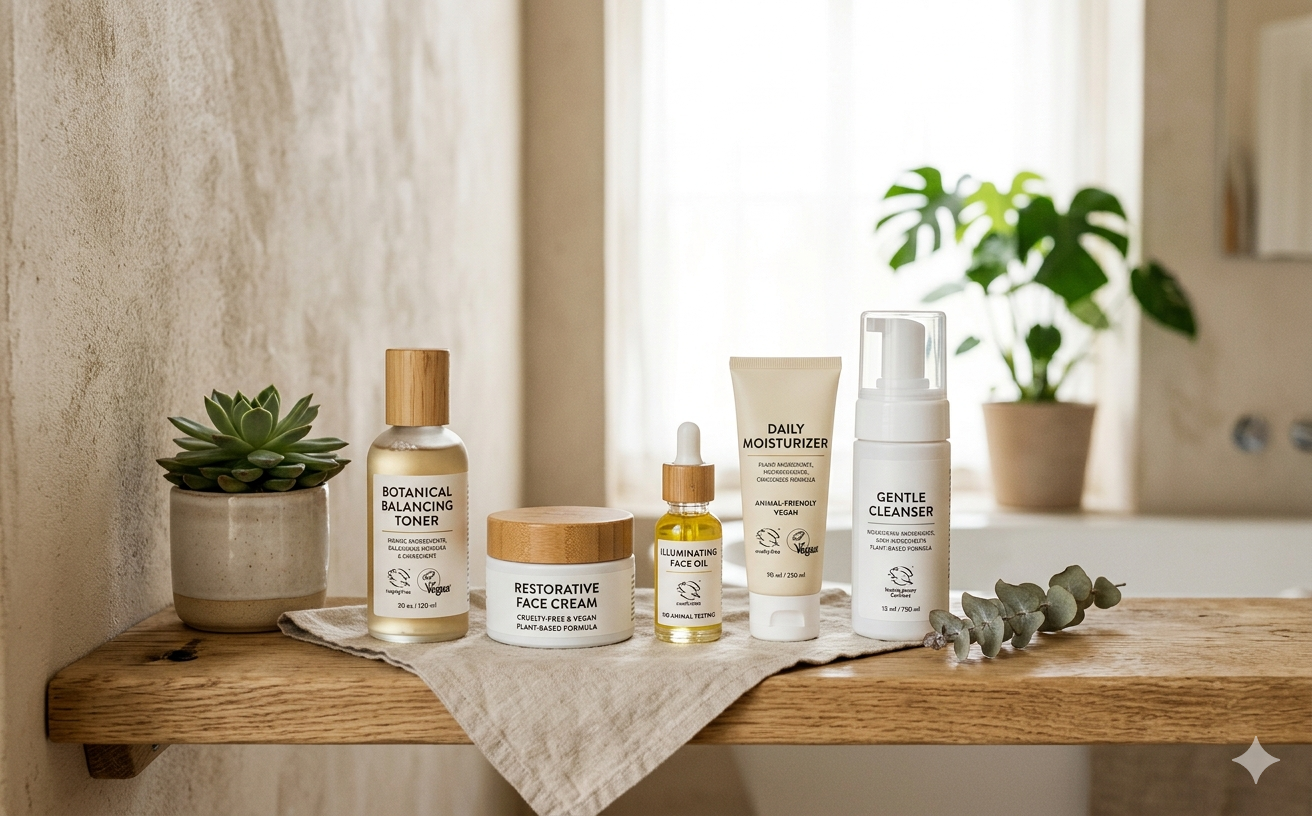
Cruelty-Free Skincare Products for Radiant and Ethical Beauty
Cruelty-Free Skincare Products are becoming a major part of the global beauty industry as more consumers shift toward ethical and responsible choices. These products are developed without any form of animal testing at any stage of production, from ingredient sourcing to final formulation. This approach ensures that beauty routines do not contribute to animal suffering while still delivering effective skin benefits. In recent years, awareness has increased due to social media, documentaries, and advocacy groups highlighting the importance of ethical consumption. As a result, many brands are reformulating their products and adopting cruelty-free standards to meet consumer demand. This movement is not only about compassion but also about transparency, sustainability, and trust in skincare. People are now more conscious of what they apply to their skin and how it impacts the environment and living beings. Cruelty-Free Skincare Products represent a shift toward mindful beauty where ethics and effectiveness go hand in hand.
Why Cruelty-Free Matters in Modern Beauty
The importance of Cruelty-Free Skincare Products in modern beauty goes beyond trends and marketing. It reflects a growing awareness of animal welfare and environmental responsibility. Traditional cosmetic testing often involved harmful procedures on animals, which many consumers now strongly oppose. With scientific advancements, alternative testing methods such as in vitro testing and computer modeling have made animal testing unnecessary. This shift allows brands to maintain safety standards without ethical compromise. Additionally, cruelty-free beauty encourages companies to innovate and adopt cleaner, safer formulations. Consumers today prefer brands that align with their values, and cruelty-free certification builds trust and loyalty. It also pushes the industry toward greater transparency, where ingredient sourcing and manufacturing processes are openly shared. As ethical beauty continues to grow, cruelty-free practices are becoming a standard rather than a niche choice, influencing even major global cosmetic companies to rethink their production methods.
Key Ingredients Found in Ethical Skincare
Cruelty-Free Skincare Products often feature ingredients that are both skin-friendly and responsibly sourced. Natural extracts such as aloe vera, chamomile, green tea, and calendula are commonly used for their soothing and healing properties. These ingredients help calm irritation, reduce redness, and support overall skin health. Hyaluronic acid derived through vegan fermentation processes is widely used for hydration and plumping effects. Plant-based oils like jojoba, argan, and rosehip provide essential nutrients and antioxidants that nourish the skin deeply. Many ethical formulations also avoid harmful chemicals such as parabens, sulfates, and synthetic fragrances, focusing instead on gentle and effective alternatives. The use of botanical ingredients not only enhances skin benefits but also reduces environmental impact. By choosing Cruelty-Free Skincare Products, consumers support formulations that prioritize both personal well-being and ecological balance. This clean approach to skincare ensures long-term benefits without compromising ethical values.
Benefits for Skin and Environment
One of the major advantages of Cruelty-Free Skincare Products is their dual benefit for both skin health and the environment. These products are typically formulated with safer, non-toxic ingredients that reduce the risk of irritation, breakouts, and long-term skin damage. Since they often rely on natural and plant-based components, they provide gentle nourishment suitable for all skin types, including sensitive skin. Environmentally, cruelty-free brands tend to adopt sustainable packaging, biodegradable materials, and eco-conscious manufacturing processes. This helps reduce pollution and waste in the beauty industry. Furthermore, by avoiding animal testing, these products contribute to the protection of wildlife and promote ethical scientific practices. Consumers who choose cruelty-free options are actively participating in a movement that supports sustainability and compassion. Over time, this collective choice encourages more brands to adopt environmentally friendly practices, creating a positive impact on both global ecosystems and personal skincare routines.
How to Identify Genuine Cruelty-Free Skincare Products
Identifying authentic Cruelty-Free Skincare Products requires careful attention to labels, certifications, and brand transparency. Trusted certifications such as Leaping Bunny or PETA’s cruelty-free logo are reliable indicators that a product has not been tested on animals. However, consumers should also be aware of misleading claims like “not tested on animals,” which may not guarantee full cruelty-free status. It is important to research whether a brand sells in countries where animal testing is legally required, as this can affect their cruelty-free status. Reading ingredient lists and company policies can provide additional clarity. Many ethical brands openly share their testing methods and supply chain information on their websites. Social media and cruelty-free directories also help consumers verify authenticity. By becoming informed buyers, people can confidently choose Cruelty-Free Skincare Products that align with their ethical values and avoid supporting companies that engage in animal testing practices.
Popular Types of Cruelty-Free Skincare Products
Cruelty-Free Skincare Products are available in a wide variety of categories designed to meet different skin needs. Cleansers made with gentle botanical ingredients help remove impurities without stripping natural oils from the skin. Moisturizers enriched with plant-based extracts provide hydration and support skin barrier health. Serums containing vitamins such as C and E are popular for brightening and anti-aging benefits. Sunscreens formulated with mineral filters like zinc oxide offer protection without harmful chemicals. Face masks made from clay, fruit enzymes, or herbal blends provide deep cleansing and rejuvenation. Additionally, exfoliators using natural particles like sugar or jojoba beads help remove dead skin cells gently. These diverse product types allow consumers to build complete skincare routines using ethical options. The growing availability of Cruelty-Free Skincare Products ensures that individuals do not have to compromise between effectiveness and compassion when choosing their skincare essentials.
Building a Daily Routine
Creating a consistent routine with Cruelty-Free Skincare Products helps maintain healthy and glowing skin over time. A simple daily routine typically begins with a gentle cleanser to remove dirt and excess oil. This is followed by a toner that balances the skin’s pH and prepares it for better absorption of products. Applying a serum targeted to specific skin concerns such as acne, dryness, or dullness enhances results. Moisturizer is essential to lock in hydration and protect the skin barrier throughout the day. In the morning, sunscreen should always be applied as the final step to protect against UV damage. At night, richer creams or oils can be used to support skin repair while sleeping. Consistency is key, as results from Cruelty-Free Skincare Products improve gradually with regular use. A well-structured routine ensures that the skin remains nourished, protected, and naturally radiant.
Common Myths and Misconceptions
There are several myths surrounding Cruelty-Free Skincare Products that often confuse consumers. One common misconception is that cruelty-free means the product is less effective, which is not true since modern formulations use advanced scientific methods and high-quality ingredients. Another myth is that cruelty-free products are always expensive, but many affordable brands now offer ethical options for all budgets. Some people also believe that cruelty-free automatically means vegan, which is incorrect because a product can be cruelty-free while still containing animal-derived ingredients like beeswax or honey. Additionally, there is a misunderstanding that cruelty-free certification is not reliable, when in fact reputable organizations maintain strict verification standards. Educating consumers about these misconceptions helps them make informed choices and encourages wider adoption of ethical beauty practices. As awareness grows, Cruelty-Free Skincare Products continue to gain trust and recognition in the global skincare market.
Conclusion
Cruelty-Free Skincare Products represent a powerful shift toward ethical, sustainable, and effective beauty care. They allow consumers to care for their skin while also protecting animals and the environment. With increasing awareness and innovation, these products are becoming more accessible and diverse than ever before. Choosing cruelty-free options supports a future where beauty is defined not only by appearance but also by responsibility and compassion.